
Your car is a complex machine, a significant investment, and often, your lifeline for navigating daily life—especially in a bustling city like Bangkok. Just like your own health, your vehicle needs regular check-ups and preventative care to perform at its best and avoid costly, unexpected problems down the road.
Ignoring basic maintenance is a recipe for trouble, leading to poor performance, reduced fuel efficiency, compromised safety, and potentially massive repair bills. The good news? Keeping your car healthy doesn’t always require a mechanic. Many essential checks are simple enough for any owner to perform.
Here are the most important car maintenance tips to keep your vehicle reliable and safe.
1. Master Your Fluids: The Lifeblood of Your Car
Your car relies on several vital fluids to operate correctly. Regularly checking these levels is one of the easiest and most impactful things you can do.
- Engine Oil: Oil lubricates the engine’s moving parts, reduces friction, and helps dissipate heat. Check the oil level using the dipstick at least once a month when the engine is cool. Follow your owner’s manual for recommended oil change intervals (typically based on mileage or time). Clean oil is crucial for engine longevity.
- Coolant (Antifreeze): This fluid prevents your engine from overheating, which is especially critical in Bangkok’s heat. Check the coolant level in the reservoir regularly. Ensure the engine is completely cool before opening the radiator cap.
- Brake Fluid: Essential for safe stopping, brake fluid should be checked periodically. If the level is low, it could indicate a leak or worn brake pads.
- Washer Fluid: While not critical for operation, keeping your windshield washer fluid topped up is vital for visibility, particularly during sudden tropical downpours.
2. Tire Care: Your Connection to the Road
Your tires are the only part of your car that actually touches the road, making their condition paramount for safety and handling.
- Check Tire Pressure: Underinflated tires wear out faster, reduce fuel economy, and compromise handling. Check the pressure monthly (when tires are cold) using a reliable gauge. Find the correct pressure on the sticker inside your driver’s side doorjamb, not on the tire sidewall itself.
- Inspect Tread Depth: Worn tires significantly increase stopping distances, especially on wet roads. Use the “coin test” or look for the built-in tread wear indicators. Replace tires before they become dangerously thin.
- Regular Rotation: Rotating your tires (usually every 10,000 km or as recommended by your manual) helps them wear evenly, extending their life.

3. Brakes: Your Most Important Safety Feature
Don’t ignore signs of brake trouble. Listen for squealing, grinding, or clicking noises. Pay attention if your brake pedal feels spongy or if the car pulls to one side when braking. Have your brakes inspected regularly by a professional, especially if you notice any changes in performance.
4. Lights and Wipers: See and Be Seen
Visibility is key to safety.
- Check All Lights: Regularly walk around your car and check that all lights are working—headlights (low and high beam), taillights, brake lights, and turn signals. Have a friend help you check the brake lights.
- Inspect Wiper Blades: Worn or cracked wiper blades won’t clear your windshield effectively, which is dangerous in heavy rain. Replace them at least once a year or as soon as they start streaking or chattering.
5. Battery Health: Avoid Getting Stranded
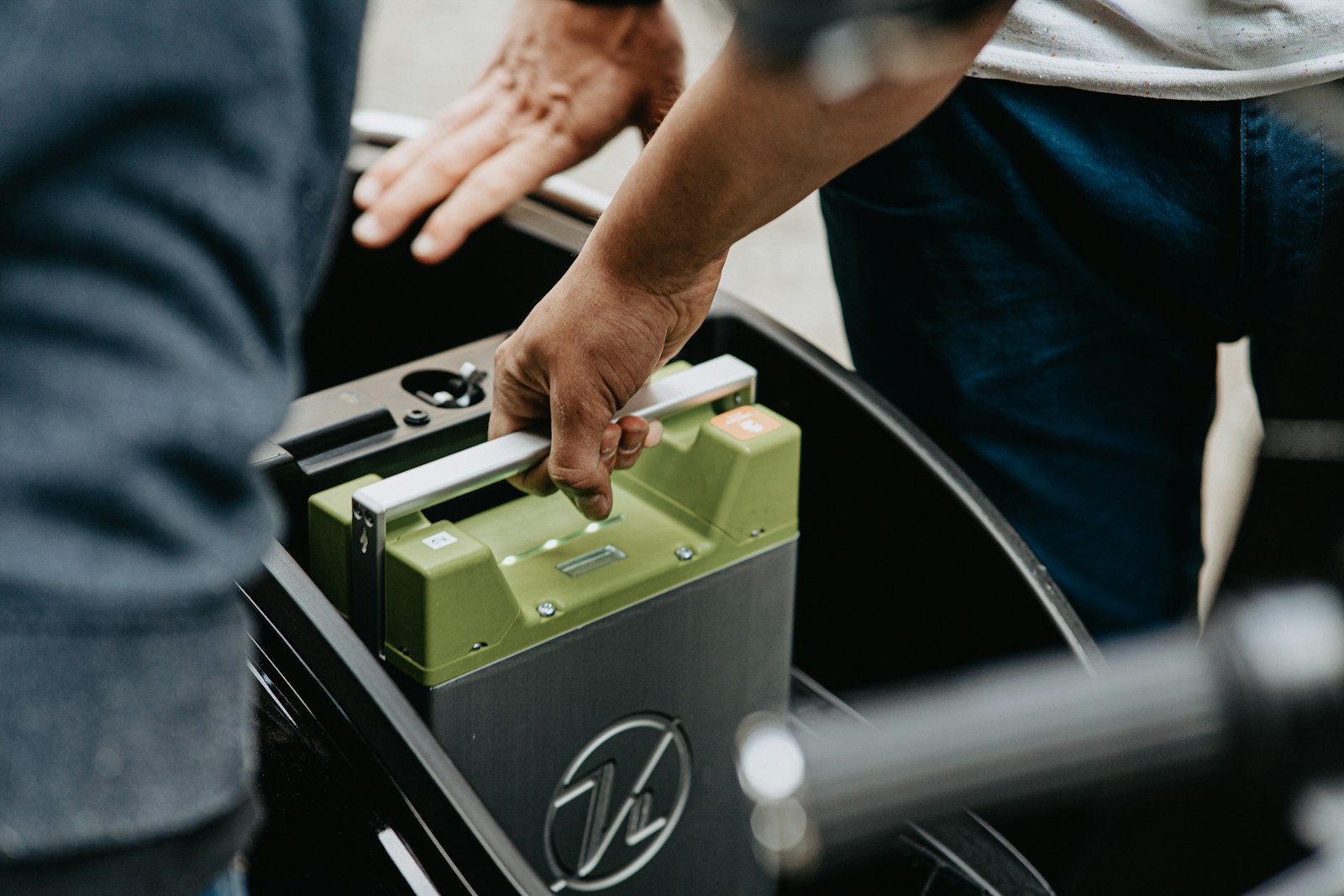
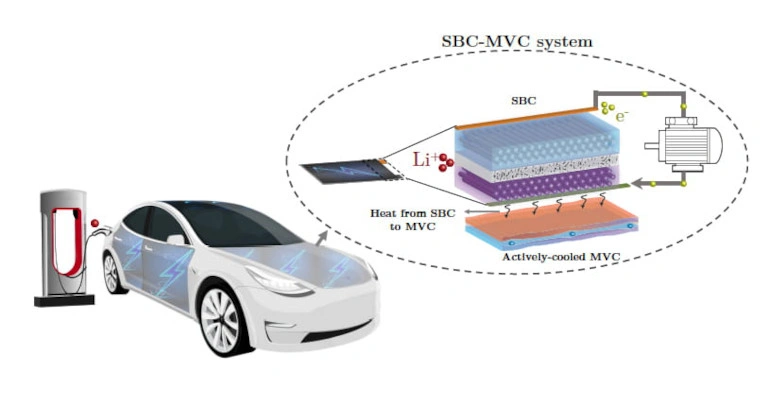
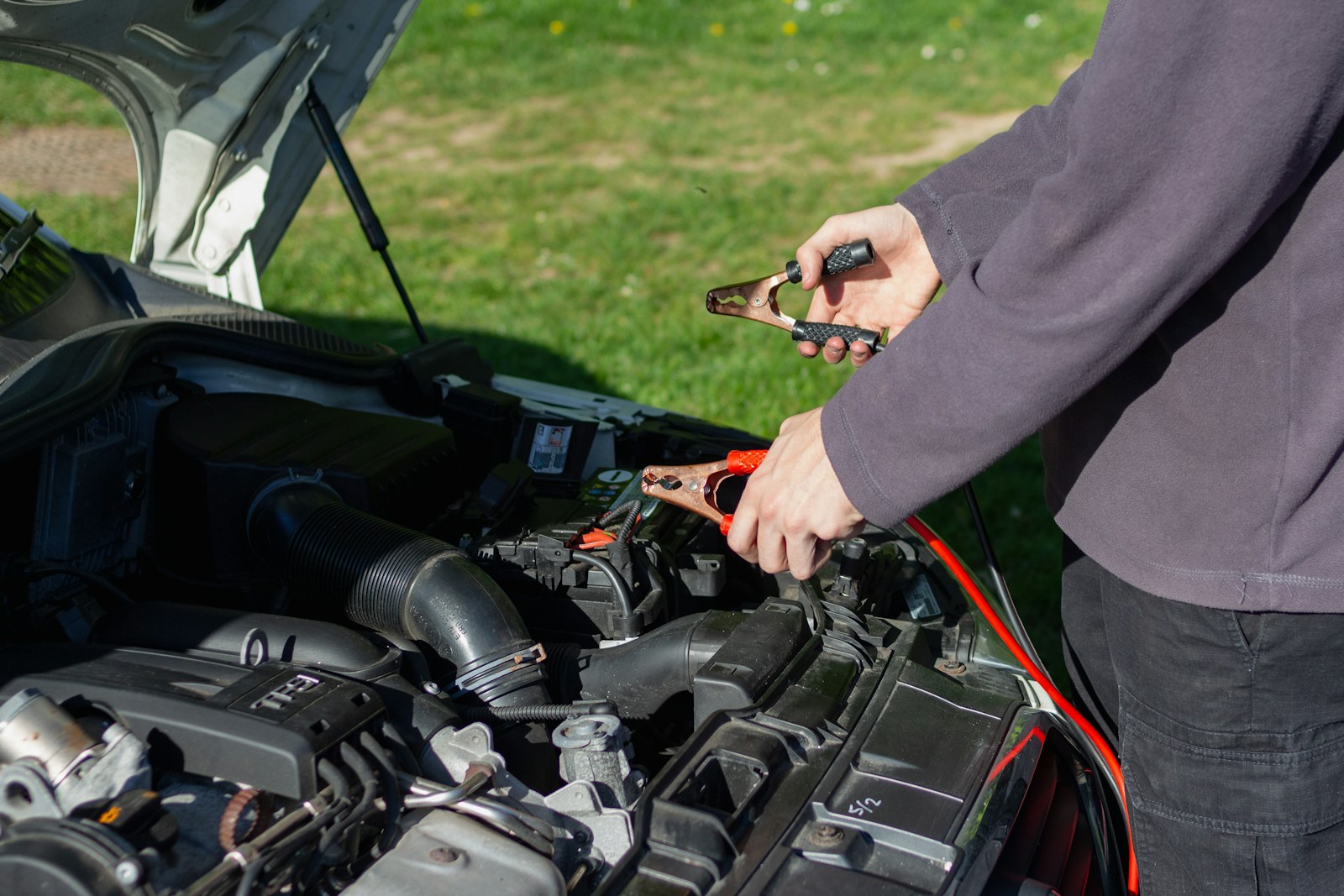
Car batteries have a finite lifespan, and the heat in climates like Bangkok can shorten it. Look for signs of corrosion on the terminals (a white or bluish powder) and clean them if necessary. If your car is slow to start, especially after sitting, have the battery tested by a professional. Many battery shops offer free testing.
6. Listen to Your Car & Follow the Manual
Pay attention to any unusual sounds, smells, or changes in how your car drives. Addressing small issues early can prevent them from becoming major problems. Finally, your car’s owner’s manual is your ultimate guide. It contains the manufacturer’s recommended maintenance schedule for your specific make and model. Following this schedule is the best way to ensure your car stays healthy for the long haul.
Regular maintenance isn’t a chore; it’s an investment in your car’s reliability, your safety, and your peace of mind.