

When you’re looking for a new car, you want one that’s good for the planet and saves fuel. Regenerative braking has changed the game in cars, making them more eco-friendly. It lets electric and hybrid cars recharge their batteries while driving, boosting their range.
This cool feature is now common in many electric and hybrid cars, including Honda’s models.
Thanks to regenerative braking, cars can capture up to 70% of energy when slowing down. This means electric cars can go about 25% farther on a single charge. Let’s dive into how regenerative braking works and its many benefits, like saving energy and reducing brake wear.
Understanding Regenerative Braking Systems
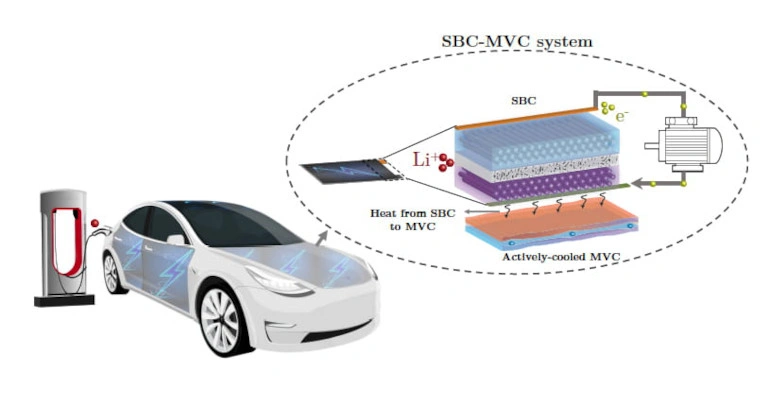
Exploring regenerative braking means learning how it works. This technology captures a vehicle’s kinetic energy and turns it into electrical energy. This energy is stored in the battery. It boosts energy efficiency and lessens brake wear.
The efficiency of regenerative braking depends on several things. These include the vehicle type, driving conditions, and battery health. For example, series regenerative braking is best for slow downs. Parallel systems are for fast electric vehicles. Knowing this helps you see how regenerative braking enhances driving.
What is Regenerative Braking?
Regenerative braking captures a vehicle’s kinetic energy and turns it into electrical energy. This energy is stored in the battery. It increases energy efficiency and reduces brake wear. Studies show it can capture about 70% of energy lost during braking.
Key Components of the System
The main parts of a regenerative braking system are the electric motor, battery, and control system. These work together to convert kinetic energy into electrical energy. The control system optimizes this process based on speed, battery charge, and driver input.
Understanding the parts of a regenerative braking system helps appreciate its benefits. It captures and converts kinetic energy into electrical energy. This is key for electric vehicles, boosting efficiency and reducing brake wear.
Benefits of Advancements in Regenerative Braking
Regenerative braking innovation changes how we commute. It boosts energy efficiency and cuts down on brake wear. Studies show it can capture up to 70% of energy lost during braking, making vehicles more efficient.
The perks of regenerative braking are many. Key benefits include:
- Increased energy efficiency, leading to longer battery life and less need for charging
- Less wear on mechanical brakes, saving on maintenance and extending brake life
- Improved vehicle efficiency, making driving smoother and more enjoyable
By using regenerative braking, you get to see its benefits. It’s great for electric vehicles and bikes. It captures and reuses energy, making it a key part of electric vehicles.
As technology advances, regenerative braking will get even better. It could boost battery range by 10-20% and cut energy use by up to 30%. Adopting regenerative braking helps make our future greener.
| Benefits of Regenerative Braking | Description |
|---|---|
| Increased Energy Efficiency | Regenerative braking can capture up to 70% of energy lost during normal braking |
| Reduced Wear and Tear | Regenerative braking reduces wear and tear on mechanical brake components, leading to lower maintenance costs |
| Improved Overall Vehicle Efficiency | Regenerative braking results in a smoother and more enjoyable driving experience |
Integrating Regenerative Braking with Electric Vehicles

When looking at electric vehicles, it’s key to know about regenerative braking. This technology boosts their efficiency. It helps save energy and makes batteries last longer.
Research shows regenerative braking can make electric vehicles 30% more energy-efficient. It turns the car’s kinetic energy into electrical energy. This energy then recharges the battery. It also means less wear on brakes and longer battery life.
Regenerative braking in electric vehicles has many benefits. Here are a few:
- Improved energy efficiency: It can recover up to 30% of braking energy.
- Extended battery life: It can add 15-20% to the car’s range.
- Reduced brake pad wear: It can cut brake pad wear by up to 70%.
In summary, regenerative braking with electric vehicles brings many advantages. These include better energy use, longer battery life, and less brake wear. As this tech gets better, we’ll see even more cool uses for it.
| Regenerative Braking Benefits | Percentage Improvement |
|---|---|
| Energy Efficiency | Up to 30% |
| Battery Life Extension | Approximately 15-20% |
| Brake Pad Wear Reduction | Up to 70% |
Advances in Software and Control Systems
Exploring the latest in regenerative braking shows big regenerative braking advances in software and control systems. These changes have greatly improved how well regenerative braking works. Now, it can catch up to 70% of energy lost when you brake normally.
The regenerative braking industry trends are moving towards better software and control systems. This means using smarter algorithms for catching energy and watching how the system performs in real time. Thanks to these updates, cars can use energy more efficiently and need less of it.
Some key features of these advanced systems include:
- Enhanced energy recovery capabilities
- Real-time performance monitoring and optimization
- Improved integration with other vehicle systems, such as electric motors and batteries
As people want more efficient and green cars, the need for regenerative braking advances and regenerative braking industry trends will keep growing. By keeping up with these changes, car makers can stay ahead in the fast-changing car world.
| Feature | Description |
|---|---|
| Energy Recovery | Ability to capture and convert kinetic energy into electrical energy |
| Real-time Monitoring | Continuous monitoring and optimization of system performance |
| System Integration | Seamless integration with other vehicle systems, such as electric motors and batteries |
Case Studies: Successful Implementations
Regenerative braking has made a big impact in many fields, like cars and public transport. It makes vehicles use energy more efficiently. This means less fuel is needed and fewer emissions are released.
Some examples of where it works well include:
- Hybrid cars use up to 30% less fuel in city driving.
- Electric cars can travel 10-25% farther because of regenerative braking.
- Public transport systems use 25% less energy.
A study by a top car research journal found something interesting. It said regenerative braking can turn up to 70% of a car’s kinetic energy back into electricity. This is great for cutting down on harmful emissions and making cities cleaner.
| Vehicle Type | Fuel Consumption Reduction | Range Extension |
|---|---|---|
| Hybrid Vehicles | 20-30% | N/A |
| Electric Vehicles | N/A | 10-25% |
| Public Transportation | Up to 25% | N/A |
These examples show how regenerative braking helps vehicles use energy better. It also cuts down on harmful emissions.
Challenges and Limitations
Exploring regenerative braking brings up several challenges and limitations. Despite its benefits like better energy use and less brake wear, there are technical and economic hurdles. For example, big batteries are needed for heavy-duty electric vehicles, making it key to optimize regenerative braking.
Common issues include matching battery and motor sizes, which affects costs and lifespan. Also, adding regenerative braking parts can weaken trailers, causing them to fail early. To tackle these problems, makers are working on new regenerative braking tech. This tech supports traction in tough conditions and powers extra devices.
Key challenges and limitations include:
- Technical challenges: matching battery and motor sizes, issues with anti-lock brake systems (ABS) and stability control systems
- Economic challenges: high tech costs, limited return on investment (ROI) period
- Operational challenges: uneven energy recovery, risk of skidding or fishtailing under hard braking
Knowing these challenges and limitations shows why regenerative braking optimization is so important. As tech improves, we’ll see better regenerative braking systems. These will help hybrid and electric vehicles grow.
| Challenge | Limitation | Potential Solution |
|---|---|---|
| Technical challenges | Interference with existing systems | Develop compatible regenerative braking components |
| Economic challenges | High costs of technology | Invest in research and development to reduce costs |
| Operational challenges | Variability in energy recovery | Optimize regenerative braking systems for specific applications |
The Future of Regenerative Braking
Regenerative braking is set to change the car world. It’s making cars more energy-efficient and cleaner. Over 80% of people were worried about EV battery life, but regenerative braking can boost EV range by 10-30%.
Modern EVs are getting better at using regenerative braking. This means they can recover more energy. As regenerative braking advances, we’ll see even better performance in electric cars. New tech is being developed to make regenerative braking more efficient.
Emerging Trends in Technology
Here are some trends in regenerative braking:
- Improved energy recovery rates through advanced control systems
- Increased adoption of regenerative braking in hybrid and electric vehicles
- Enhanced battery technology to support more efficient regenerative braking
Predictions for Market Growth
The market for regenerative braking in cars is expected to grow a lot. It’s set to be worth over $26 billion by 2030. As this tech gets better, more cars will use it. By 2030, 50% of new cars will have advanced regenerative braking.
Conclusion: The Road Ahead
The world of regenerative braking has seen big changes, making cars more energy efficient and fun to drive. Leaders like Tesla and Nissan have led the way. Their work, along with ongoing research, shows that regenerative braking solutions are key for electric vehicles (EVs) and green transport.
Regenerative braking brings many benefits. It helps batteries last longer, cuts down on repair costs, and lowers carbon emissions. As more people choose EVs, these systems will make a bigger difference. They help drivers choose greener options.
Future improvements in regenerative braking technology are on the horizon. Advances in materials, software, and control systems will make cars even more efficient and easy to drive. These innovations will change how we travel, making it greener and better for the planet.