
Imagine driving your electric vehicle for hundreds of miles without worrying about running out of charge. Solid state batteries make this possible. They can boost an electric vehicle’s range by 50% to 80%.
Some companies aim for a range of 900 to 1,000 miles per charge. Solid state batteries offer many benefits and could change how we see electric vehicles.
Thinking about switching to an electric vehicle? Solid state batteries are a big plus. They can charge faster than traditional lithium-ion batteries.
While lithium-ion batteries take 20 minutes to 12 hours to recharge, solid state batteries might charge to 80% in 10 to 15 minutes. This makes them great for quick and easy charging.
What Are Solid-State Batteries?
When you look into electric vehicles, you might hear about solid-state batteries. But what are they? They are a new kind of battery that uses a solid material instead of liquid, like traditional lithium-ion batteries. This change makes them safer, more powerful, and charge faster.
Solid-state batteries are a big step up from old batteries. They pack more energy, with thin film batteries holding 300-900 Wh/kg and bulk batteries holding 250-500 Wh/kg. They also lose less charge over time, with a rate of 6% at 85 °C over a month.
Compared to traditional batteries, solid-state batteries have clear advantages. They charge up to 80% in just 3 minutes. They also last longer, with some batteries lasting 10,000 to 100,000 cycles at 25 °C.
- Improved safety due to the use of a solid electrolyte
- Increased energy density, allowing for longer driving ranges
- Faster charging times, making them more convenient for everyday use
In short, solid-state batteries could change the electric vehicle world. They offer many benefits over old batteries. As the tech gets better, we’ll see even more improvements.
The Benefits of Solid-State Batteries
Solid-state batteries have many advantages over traditional lithium-ion batteries. They can store more energy, which means longer EV driving ranges and less need for charging. Their energy density is 2 to 10 times higher than lithium-ion batteries.
The solid state battery lifespan is longer, with some batteries lasting up to 5 times more than lithium-ion batteries. This, along with their solid state battery efficiency, makes them great for reducing carbon footprint. They can also recharge to 80% in just 10 to 15 minutes, making them convenient for daily use.
Some of the key benefits of solid-state batteries include:
- Higher energy density, resulting in increased EV driving range
- Extended solid state battery lifespan, with some batteries lasting up to 30 years
- Improved solid state battery efficiency, reducing the need for frequent charging
- Faster charging times, with some batteries able to recharge in as little as 10 to 15 minutes
How Solid-State Batteries Work
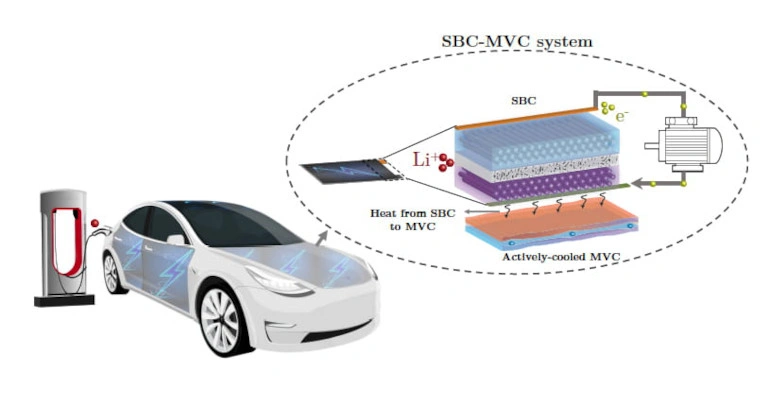
Exploring solid-state batteries, it’s key to know how they function. They use solid electrolytes to move ions between the anode and cathode. This setup boosts safety and energy density, making them a top choice in the market.
The solid electrolyte in these batteries can handle higher temperatures than the flammable solvents in lithium-ion batteries. They also perform better at low temperatures, with less internal resistance. This makes them great for electric vehicles and IoT devices.
As research and development push forward, we’ll see big strides in solid state battery trends. Toyota aims to bring solid-state battery tech to market by 2028. The vast applications and clear benefits of solid-state batteries make them an exciting area in energy storage.
| Characteristic | Solid-State Batteries | Lithium-Ion Batteries |
|---|---|---|
| Energy Capacity | Higher | Lower |
| Charging Time | Faster | Slower |
| Safety | Improved | Lower |
Current Developments in Solid-State Battery Technology
Exploring solid-state batteries, you’ll see big steps forward. Nissan and Toyota are leading the charge with their research. They’re working hard to make solid-state batteries a reality for electric cars.
These batteries can last up to 10,000 charges, much longer than the 1,500 to 2,000 of traditional lithium-ion batteries. They also pack more energy, thanks to advanced materials. This makes them safer and more efficient for electric vehicles.

Toyota wants to make an electric car that goes 750 miles on one charge. They hope to charge it in just 10 minutes. This shows how solid-state batteries could change the game for electric cars.
Big names like Samsung SDI are making big moves in solid-state battery tech. Honda is also getting ready to use these batteries in their cars by the mid-2020s. It’s clear the industry is excited about this technology.
- Higher chemical stability compared to liquid electrolytes
- Reduced risk of electrolyte leakage
- Improved operating temperature ranges
The move to solid-state batteries will bring better ranges and safety to cars. With big players like Volkswagen and Toyota on board, the future looks bright for solid-state batteries.
| Company | Goal | Timeline |
|---|---|---|
| Toyota | Achieve a range of up to 750 miles on a single charge | Not specified |
| Honda | Apply all-solid-state batteries to vehicles | Second half of the 2020s |
Potential Impact on Electric Vehicles
Thinking about the future of solid state batteries is key. They could make electric vehicles (EVs) better and less worrying to drive. Solid-state batteries might extend EV ranges by 50% to 80%. Some car makers aim for up to 1,000 miles on a single charge.
Some big pluses of solid-state batteries include:
- They charge faster, maybe in under 10 minutes.
- They’re safer, cutting down on battery fires and overheating.
- They pack more energy, leading to longer drives and less worry.
As solid-state battery tech advances, EVs will get even better. Toyota and Volkswagen are leading the charge in research. We can look forward to more efficient and effective EVs soon. The future of solid state batteries and EVs is bright and full of promise.
Looking ahead, solid state batteries could change your daily commute. EVs might become more practical for everyone. The future is exciting, and being part of the EV community is thrilling.
| Battery Type | Charging Time | Range |
|---|---|---|
| Lithium-Ion | 30-60 minutes | 200-300 miles |
| Solid-State | 10-15 minutes | 400-600 miles |
Challenges Facing Solid-State Battery Adoption
When we talk about solid state batteries, we must also discuss the challenges they face. One big issue is making them on a large scale. Creating these batteries is complex and expensive, needing advanced tools and places to work.
Another big problem is how much they cost. They charge faster and are safer, but they’re pricier than old lithium-ion batteries. But, as scientists keep working, we’ll see prices drop and more people using them.
There are also problems like the battery’s brittle nature and lithium dendrite formation. These can cause the battery to fail and not work well. Companies like QuantumScape and Toyota are working hard to make these batteries stronger and more stable.
The advantages of solid state batteries are clear. But, we must solve the problems of making them, their cost, and how well they work. As the tech gets better, we’ll see big improvements in these areas.
The Future of Solid-State Batteries in the Automotive Industry
Looking into solid-state batteries is key. They offer longer ranges, lower weights, and faster charging than traditional batteries. This makes them a big deal for electric vehicles (EVs).
Big names like Toyota and Nissan are diving into solid-state battery research. Toyota hopes to start making these batteries by 2027-2028. They aim for a 1,000-kilometer range and a 10-minute charge. Nissan plans to introduce solid-state batteries in their EVs by 2029.
Some cool things about solid-state batteries are:
- They go further and weigh less than lithium-ion batteries
- They charge way faster, sometimes in under 10 minutes
- They’re safer, with less chance of overheating or explosions
But, there are hurdles like high costs and making lots of them. Despite this, solid-state batteries are becoming more popular. As they get better, we’ll see more of them in cars.
Consumer Perspectives on Solid-State Batteries
| Benefit | Description |
|---|---|
| Longer Lifespan | Minimizes range loss over time, providing a longer driving range |
| Improved Efficiency | Enables faster charging times and reduces the risk of overheating |
| Enhanced Safety | Eliminates leakage and thermal runaway risks, making them ideal for use in extreme temperatures |
Conclusion: The Promise of Solid-State Batteries
Solid-state batteries bring many benefits to the electric vehicle world. They pack more energy, charge faster, and are safer. These features could change how we power our EVs.
The future for solid-state batteries in cars is exciting. Experts say we’ll see even better EVs soon. The market for these batteries is growing, making EVs more appealing.
By using solid-state batteries, we can make EVs more practical and efficient. This technology will help us move towards a greener future. We’re on the path to a world where electric cars are the norm.