


As we move towards a future with autonomous vehicles, ensuring the reliability of artificial intelligence in self-driving cars is key. About 90% of road accidents are caused by human error. Self-driving cars could greatly reduce these accidents.
The development of ai reliability in self-driving cars is complex. It involves advanced technologies like machine learning and sensor systems. These are used to create strong safety protocols.
Studies show self-driving cars could cut traffic fatalities by up to 90%. Companies like Waymo and Tesla have tested their cars for over 20 million miles. This shows they are collecting a lot of real-world data.
The use of artificial intelligence in autonomous vehicles is vital for their safe operation. Ensuring ai reliability is a major focus in their development.
The importance of ai reliability in self-driving cars cannot be overstated. It’s essential for building public trust and ensuring their safe operation. With the commercial deployment of fully autonomous vehicles expected to reach $557 billion by 2026, reliable ai systems are critical.
We will explore the key considerations for achieving ai reliability in self-driving cars. This includes developing robust safety protocols and using advanced technologies like machine learning and sensor systems in autonomous vehicles.
Understanding AI Systems in Autonomous Vehicles
Autonomous vehicles use complex AI systems to operate safely and efficiently. These systems use machine learning to process data from sensors and cameras. This helps the vehicle make decisions in real-time. Predictive maintenance is also key to ensure vehicle safety by preventing issues before they happen.
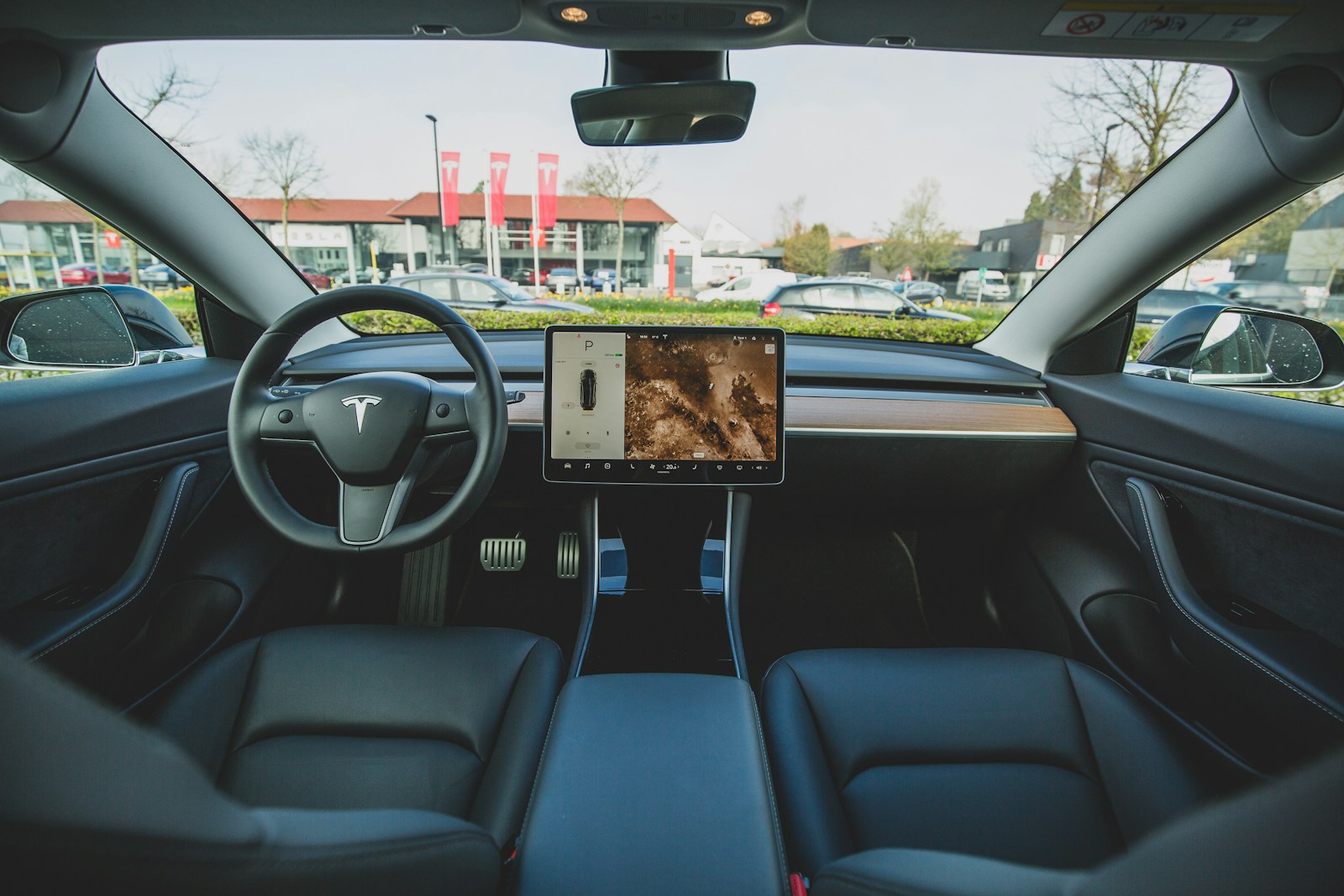
The analysis process is vital for autonomous vehicles. It lets the system learn and improve its decisions. By analyzing data from sensors, cameras, and GPS, the AI system understands its environment. This helps it make safe and efficient decisions.
Autonomous vehicles offer many benefits. They improve vehicle safety, reduce traffic congestion, and help the elderly and disabled. They also have the chance to cut vehicle emissions and lower costs by using less fuel and reducing driver wages.
| Level of Autonomy | Description |
|---|---|
| Level 0 | No automation |
| Level 1 | Driver assistance |
| Level 2 | Partial automation |
| Level 3 | Conditional automation |
| Level 4 | High automation |
| Level 5 | Full automation |
As technology advances, we’ll see better machine learning and data analysis. This will lead to safer vehicle safety and more use of autonomous vehicles.
AI Reliability and Safety Performance in Self-Driving Cars
The rise of autonomous vehicles is changing how we travel. It could cut down on traffic accidents and help those with disabilities. The National Highway Traffic Safety Administration (NHTSA) says there were about 42,795 traffic deaths in the U.S. in 2022. Most of these were due to human mistakes.
Using advanced technology and algorithm optimization is key to making self-driving cars safer.
Some big pluses of autonomous vehicles are:
- Less traffic accidents: Studies show autonomous vehicles could lower deaths from drunk driving, speeding, and crashes with objects.
- Better mobility: Autonomous vehicles can help people with disabilities, making their lives better.
- More efficient travel: Autonomous vehicles can make traffic flow better, cutting down on jams and travel times.
But, there are hurdles to overcome. We need better advanced technology and algorithm optimization for autonomous vehicles to work safely. Companies like Waymo and Uber are putting a lot into making autonomous vehicles better. Waymo’s cars have driven over 7 million miles without a human driver.
| Category | Statistic |
|---|---|
| Traffic Fatalities (2022) | 42,795 |
| Human Error Fatalities (2015) | 94% |
| Miles Driven by Waymo’s Self-Driving Cars | 7 million |
Creating autonomous vehicles is a tough task. It needs advanced technology and algorithm optimization for safe and efficient use. As the tech gets better, we’ll see big gains in safety and mobility.
Conclusion: The Future of AI-Powered Transportation
The use of artificial intelligence (AI) in autonomous vehicles is changing how we see self-driving cars. AI’s reliability has already beaten many consumer products. It’s set to get even better.
The autonomous vehicle market is expected to grow a lot. It could reach $614.88 billion by 2030. This shows how big of an impact AI in cars will have.
AI can make driving safer and more efficient. It can also plan the best routes and cut down on traffic. As more people use self-driving cars, we’ll see more benefits for everyone.
Companies like Audi, BMW, GM, and Tesla are leading in AI for cars. They’re making the future of driving look very different.