


The Tesla Optimus robot represents a significant leap in humanoid robotics. This advanced robot is designed to perform various tasks, targeting industries and everyday life with an expected launch in 2026. Tesla aims to harness its AI technology to create a machine that can learn tasks and mimic human movements, making it a potential game-changer.
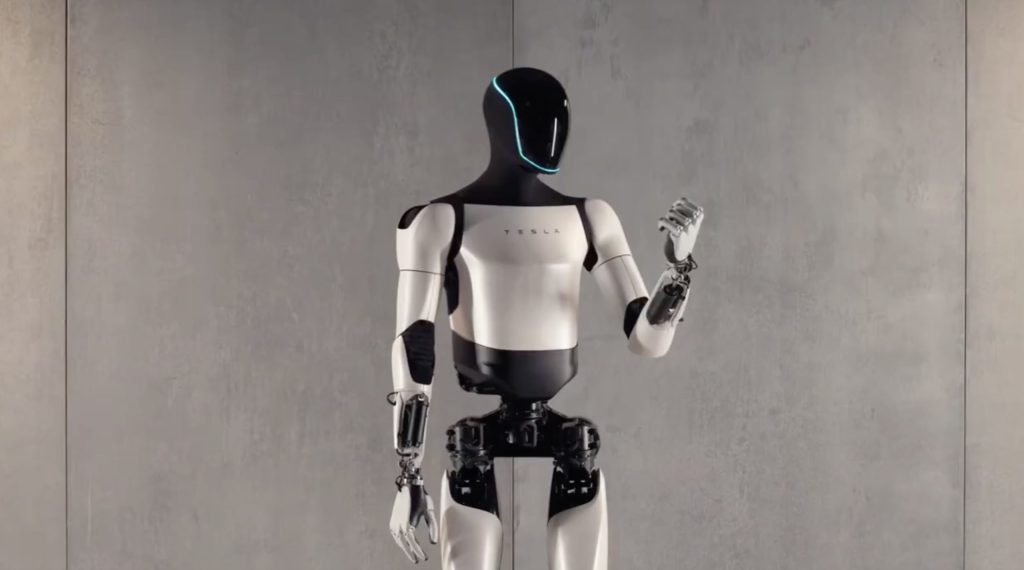
As development continues, the Optimus robot has already demonstrated capabilities like walking and object manipulation. With a price point projected to be under $20,000, it promises to be accessible for many applications in homes and workplaces. This could reshape how tasks are done, enhancing productivity and efficiency in various sectors.
Many people are curious about what the future holds for Tesla Optimus. As it evolves, its impact on both technology and society could be profound, ushering in a new era of robotics that integrates seamlessly into daily life.
Key Takeaways
- Tesla Optimus aims to perform everyday tasks with advanced AI.
- The robot’s design focuses on functionality and ease of use.
- It is expected to launch in 2026 at an affordable price point.
Design and Specifications of Tesla Optimus
Tesla Optimus showcases a blend of advanced engineering and futuristic design. Its features underscore its potential as a humanoid robot. Key aspects include its physical characteristics, internal hardware, and sophisticated software capabilities.
Physical Features and Aesthetics
Optimus stands at 5 feet 8 inches tall and weighs approximately 125 pounds. The design is sleek and modern, reflecting Tesla’s innovation. It features a robust frame that supports various tasks while maintaining maneuverability.
The robot’s carrying capacity reaches up to 45 pounds, making it suitable for various applications, from simple tasks to more complex operations. The materials used offer both durability and a lightweight feel. Additionally, its humanoid appearance aims to create a relatable presence in human environments.
Hardware and Internal Components
The internal design of Tesla Optimus includes a 1x Tesla System on Chip (SOC), which serves as its operating brain. This chip enables communication with the robot’s sensors and actuators. The hardware setup facilitates efficient processing and response to environmental stimuli.
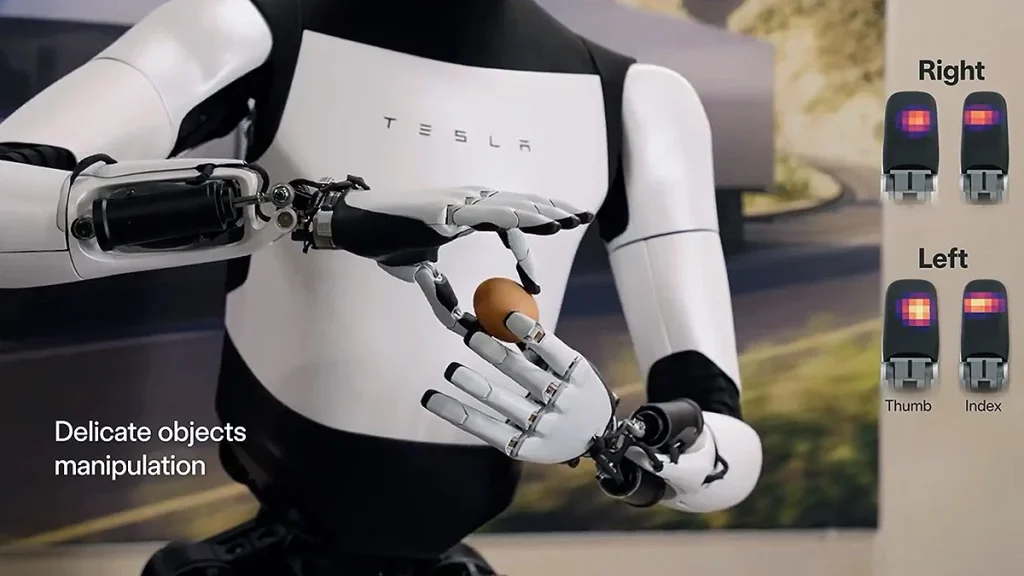
The structure includes multiple sensors for vision, touch, and spatial awareness. This allows Optimus to interact with its surroundings intelligently.
Key features include:
- Sensors: Cameras, LiDAR, and touch sensors
- Actuators: For movement and dexterity
- Power Supply: High-capacity battery for extended operation
Software and Intelligence
Optimus is equipped with advanced software that integrates aspects of Tesla’s Autopilot technology. This enables it to learn from experiences and adapt to its surroundings. The robot can recognize objects, navigate spaces, and perform tasks autonomously.
The software architecture emphasizes machine learning, helping it improve over time. It likely includes capabilities for advanced decision-making and support for various applications in different environments.
In summary, the combination of robust hardware and sophisticated software positions Tesla Optimus as a leading contender in humanoid robotics.
Functionality and Capabilities
The Tesla Optimus Robot is designed to perform a variety of tasks with a focus on mobility and dexterity. Its capabilities aim to assist in different environments, showcasing significant advancements in humanoid robotics.
Mobility and Dexterity
Optimus stands 5 feet 8 inches tall and weighs 125 pounds. It is built for mobility, capable of walking at a speed of 1.3 miles per hour. This speed is slower than human walking but shows potential for improvement.
The robot is engineered with advanced joint mechanisms that enhance its range of motion. It is designed to navigate various terrains, adding to its versatility. With its lightweight structure of 22 pounds less than previous models, it can maneuver easily while maintaining balance.
These features allow it to perform tasks with a level of agility and fluidity comparable to human movements.
Tasks and Applications
The Tesla Optimus Robot is intended for diverse applications in work environments. It has a carrying capacity of 45 pounds, enabling it to lift and transport materials effectively.
Optimus can be employed in industries like manufacturing, logistics, and healthcare. It can assist in repetitive tasks, making workflows more efficient. Tasks could include carrying boxes, assembling components, or providing assistance to medical staff.
The potential for mass production aims to address labor shortages and enhance productivity. With ongoing improvements, Optimus is likely to adapt to a wider range of roles in the future.
Production and Deployment
The production and deployment of the Tesla Optimus Robot involve intricate planning in both manufacturing and integration into various markets. Key aspects include how the robots are built and the potential applications in real-world scenarios.
Manufacturing Process
Tesla plans to start the manufacturing of the Optimus Robot in 2025. The robots will utilize Tesla’s advanced chip design capabilities. Each robot will include one Tesla System on Chip (SOC) for its brain, enabling sophisticated functioning.
Key Steps:
- Prototype Development: Initial models are being tested in Tesla’s factories.
- Battery Cell Assembly: Two prototypes are currently in use for moving battery cells off production lines.
- Tech Integration: Optimus will connect via both Wi-Fi and LTE for constant updates and control.
This strategic approach allows Tesla to ensure the robots are equipped with cutting-edge technology before mass production.
Market Integration and Use Cases
Tesla Optimus robots aim to be deployed in various sectors, starting primarily in manufacturing. They will take on repetitive tasks, enhancing productivity and safety.
Potential Use Cases:
- Factory Work: Robots handling heavy materials and assembly.
- Logistics: Moving products within warehouses.
- Home Assistance: Personal assistance tasks in future applications.
These robots are expected to transition into public hands by next year, matching market needs with practical applications. Their versatile design makes them suitable for a wide range of settings, proving Tesla’s forward-thinking in automation.
Impact and Future Prospects

The Tesla Optimus robot could significantly reshape both the economy and society. Economic growth may accelerate through automation, while ethical considerations around the use of robots will be increasingly relevant.
Economic Implications
The introduction of the Tesla Optimus robot might have wide-ranging effects on the job market. As these robots take on mundane or hazardous tasks, businesses could see reduced labor costs and increased efficiency.
Predictions suggest that by 2026, Tesla could start selling Optimus to external customers. If demand grows, the company’s market cap could reach unprecedented levels, potentially $25 trillion.
The automation trend could lead to job displacement in sectors where robots excel, demanding new skills and training for the workforce. Supporting programs might be necessary to help workers transition to new roles.
Frequently Asked Questions
The Tesla Optimus robot raises many questions regarding its features, functionality, and availability. Below are answers to some of the most common inquiries.
What is the anticipated price range for the Tesla Optimus robot?
The price of the Tesla Optimus robot is expected to be around $20,000. This price point is aimed to make it more affordable than a standard car.
What tasks is the Tesla Optimus robot designed to perform?
The Tesla Optimus robot is intended for various tasks, including household chores, assisting in manufacturing, and performing simple labor. Its design focuses on helping with repetitive and mundane tasks to free up human workers.
What is the lifting capacity of the Tesla Optimus robot?
The lifting capacity of the Tesla Optimus robot has not been officially specified. However, it is designed to handle items that are commonly lifted in various work environments, indicating a focus on practical usability.
Can you explain the primary objectives for developing the Optimus robot?
The main goals for developing the Optimus robot include improving efficiency in workplaces and enhancing daily life by taking over repetitive tasks. The aim is to create a versatile assistant that helps humans reach higher productivity levels.
When is the expected release date for the Tesla Optimus robot?
While no specific release date has been confirmed, Tesla CEO Elon Musk mentioned that they are pushing to have the robot available as soon as possible. The focus remains on ensuring functionality and cost-effectiveness at launch.
How does the Tesla Optimus robot’s AI compare to other advanced robots?
The AI of the Tesla Optimus robot is designed to be highly advanced, enabling it to navigate and interact in varied environments. While comparisons to other robots exist, Tesla emphasizes continuous improvement and learning capabilities in its design.