
As an e-commerce business owner, you’re familiar with the challenges: questions from customers that arrive long after you’ve logged off for the night, high cart abandonment rates, and the constant struggle to provide personalized service at scale. In the past, the only solution was to hire more staff. Today, there’s a more powerful one.
Enter the modern AI chatbot for ecommerce. Forget the clunky, rule-based bots of a few years ago that could only answer “yes” or “no.” Powered by the same large language models behind ChatGPT, today’s AI chatbots can understand natural language, access product catalogs, and hold genuinely helpful conversations.
Especially in a mobile-first, chat-heavy market like Thailand—where customers expect to interact with brands on LINE and Facebook Messenger—an intelligent chatbot is no longer a luxury. It’s a competitive necessity. Here are five ways it can revolutionize your online store.
1. Never Miss a Sale: Offer 24/7 Instant Support
Your online store is open 24/7, but your customer service team isn’t. A potential customer at 2 AM with a simple question about shipping or your return policy is a likely lost sale if they have to wait until morning for an answer. An AI chatbot acts as a tireless support agent, providing instant, accurate answers to common questions around the clock, ensuring you capture sales you would have otherwise missed.
2. Boost Order Value: Act as a Personalized Shopping Assistant
The most significant leap for modern AI is its ability to go beyond answering questions and start making recommendations. A sophisticated chatbot can act as a personal shopper, guiding customers through your product catalog. By asking diagnostic questions like, “Who are you shopping for?” or “What’s your budget?”, it can suggest the perfect products. It can also effectively upsell and cross-sell, suggesting accessories or complementary items (“Customers who bought that camera also loved this lens…”) to increase your average order value.
3. Recover Lost Revenue: Proactively Reduce Cart Abandonment
Every abandoned cart is a missed opportunity. An AI chatbot can be configured to detect “exit intent”—when a user is about to leave your checkout page. It can then proactively engage the customer with a targeted message. This could be an offer for a small discount (“Looks like you’re leaving… here’s 10% off to complete your order!”), an answer to a common question about shipping costs, or a simple offer to help, turning a potential lost sale into a conversion.
4. Master Social Commerce: Automate Sales on Messenger and LINE
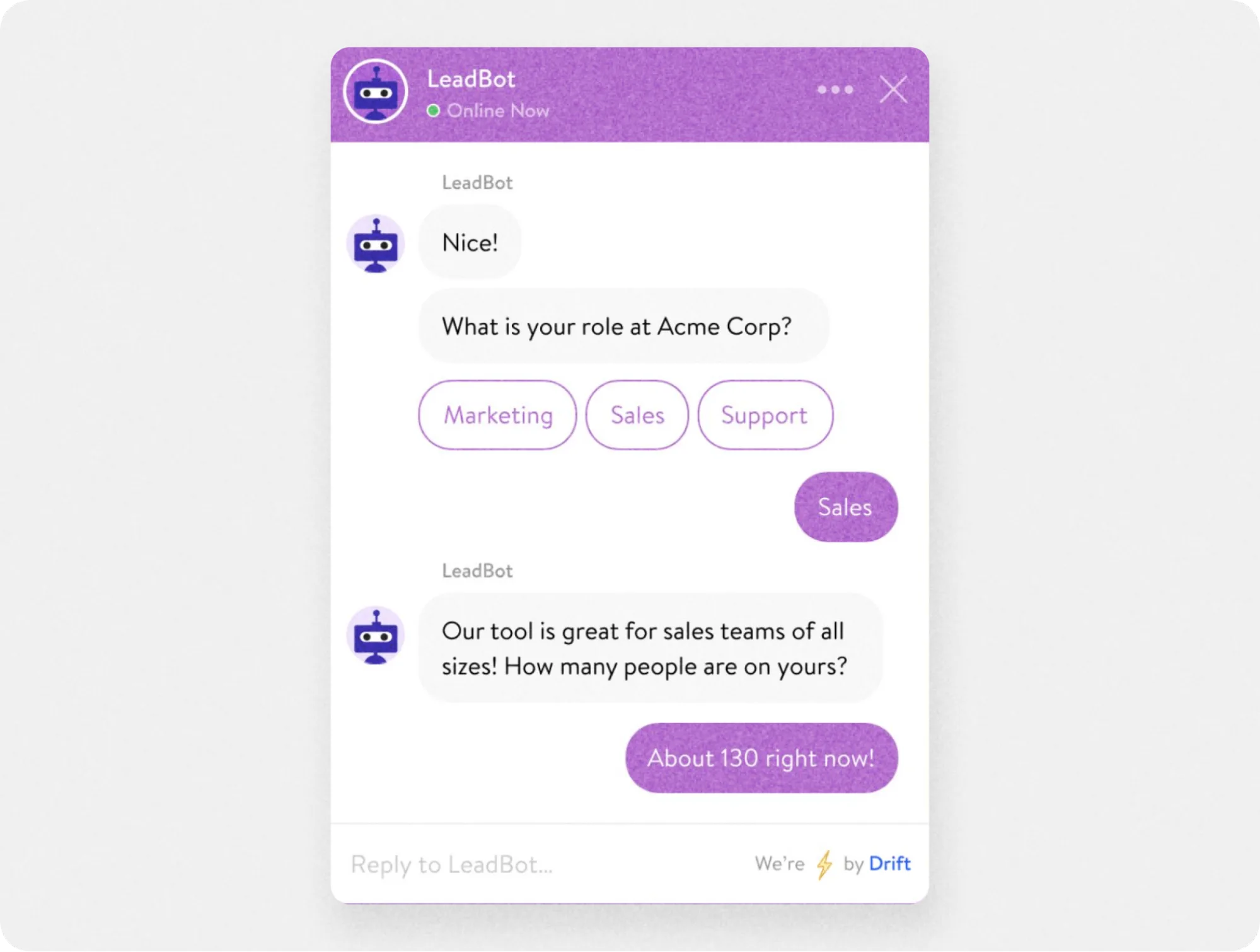
In Thailand and across Southeast Asia, a huge volume of sales happens not on a website, but directly within chat apps. This “social commerce” can be incredibly time-consuming to manage manually. An AI chatbot for ecommerce can be integrated directly into your Facebook Messenger and LINE Official Account. It can handle the entire sales process within the chat: answering product inquiries, checking stock availability, showing different color options, and even guiding the customer through payment, all without human intervention.
5. Get Smarter: Gather Actionable Customer Insights
Every conversation a customer has with your chatbot is a valuable data point. The chatbot’s logs become a goldmine of direct customer feedback. By analyzing the most frequently asked questions, you can identify confusing product descriptions or gaps in your FAQ page. By tracking what products people are asking for, you can spot emerging trends. This data provides a direct, unfiltered look into the mind of your customer, allowing you to make smarter business decisions.
In 2025, an AI chatbot is no longer just a support tool. It’s a proactive sales associate, a data analyst, and an essential part of a modern e-commerce strategy. It’s the key to providing the instant, personalized, and always-on experience that today’s online shoppers demand.