
On September 3rd, 2025, Google officially launched one of its most significant design overhauls in years with the stable release of Material 3 Expressive through Android 16 QPR1. This release represents far more than a simple visual refresh; it’s a fundamental reimagining of how users interact with their Android devices, bringing huge personalization options to Android with smoother animations and more intuitive interactions that make the entire Android experience feel more natural and responsive.
The timing of this release couldn’t be more strategic, arriving as part of Google’s September Pixel Drop that detailed the latest update announcing that Pixel 6 phones and newer, as well as the Pixel Tablet, are receiving the Material 3 Expressive update. This coordinated rollout demonstrates Google’s commitment to delivering a cohesive design language across its entire ecosystem, from smartphones to tablets to Chrome browsers.
Revolutionary Design Philosophy and Visual Changes
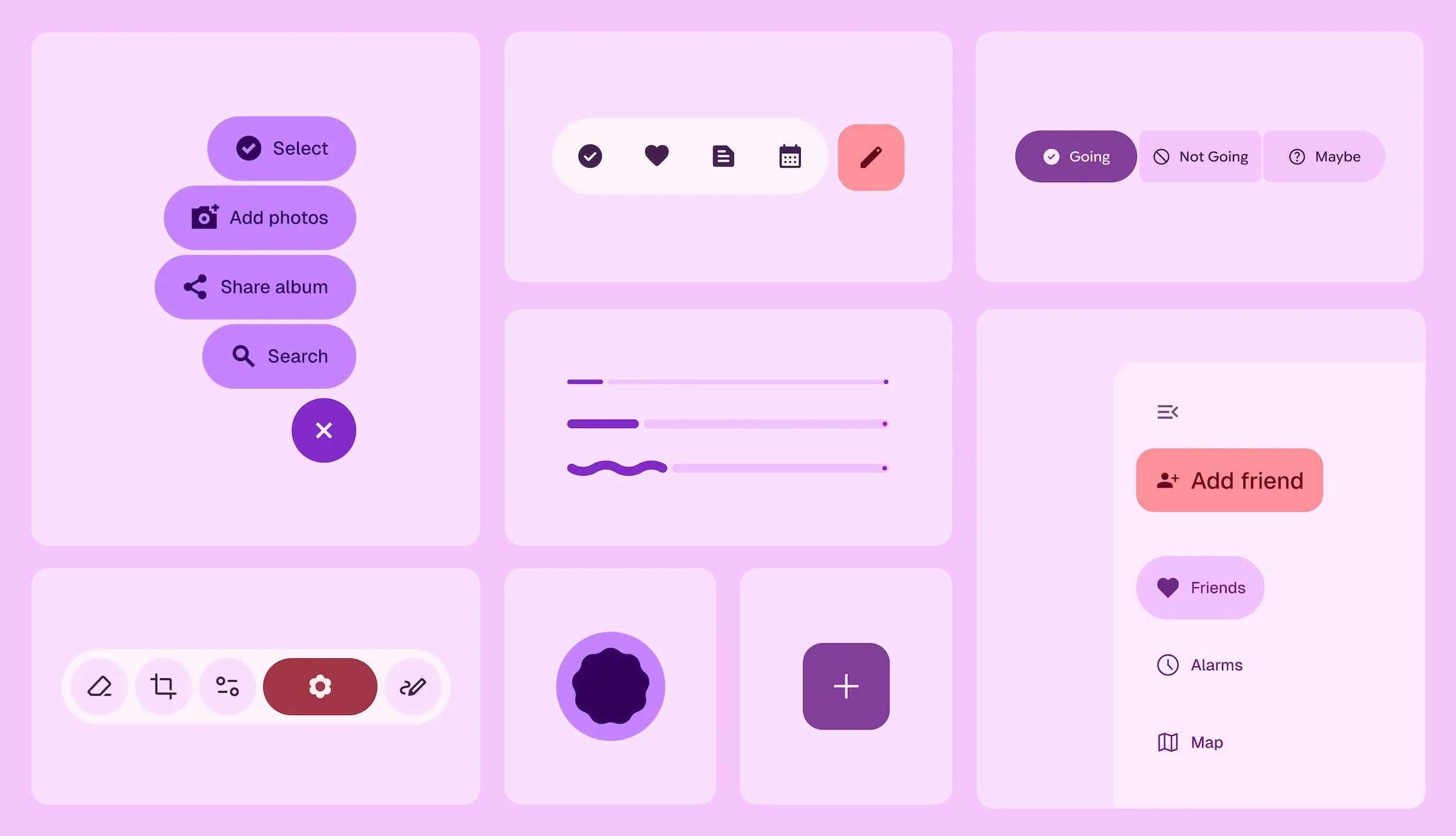
Material 3 Expressive represents Google’s most ambitious attempt to create a design language that feels both modern and emotionally engaging. The update brings Google’s biggest design overhaul in years with new physics-based animations, fresh app components, stylish color themes, background blur effects, and much more. These changes aren’t merely cosmetic adjustments but fundamental improvements to how users perceive and interact with their devices.
The visual transformation becomes immediately apparent throughout the Android interface, with the big change on the lockscreen being how the day/date and weather now appear underneath the large clock, or to the right of it in the corner when notifications are present, along with redesigned status bar icons. These modifications create a more balanced and visually appealing lockscreen experience that feels both familiar and refreshingly modern.
One of the most striking aspects of Material 3 Expressive is its approach to animation and interaction feedback. The design system introduces springier, natural-feeling animations that enhance touch interactions, creating a sense of physicality and responsiveness that makes the interface feel more alive and engaging. These physics-based animations respond to user input in ways that mirror real-world interactions, making the digital experience feel more intuitive and satisfying.
The color system in Material 3 Expressive has been completely reimagined to provide users with unprecedented control over their device’s appearance. Dynamic color themes now work seamlessly across Google apps and the entire Android interface, allowing users to create truly personalized visual experiences that reflect their individual preferences and style choices.
Enhanced User Experience and Interaction Design
The stable release of Material 3 Expressive brings substantial improvements to everyday interactions that users perform hundreds of times daily. Users will find a new customizable experience for the lock and call screens, while Quick Settings gets a sleek revamp that makes accessing common functions more efficient and visually appealing.
These interaction improvements extend beyond surface-level changes to include fundamental enhancements in how Android responds to user input. The new animation system creates a more responsive feel that provides immediate feedback for every touch, swipe, and gesture, making the entire interface feel more fluid and engaging than previous versions.
The Quick Settings redesign deserves particular attention, as it represents one of the most frequently accessed parts of the Android interface. The revamped Quick Settings panel features improved visual hierarchy, clearer iconography, and more intuitive organization that makes it easier for users to quickly access the settings they need most frequently.
Material 3 Expressive also introduces enhanced personalization options that go far beyond simple color changes. Users can now customize various aspects of their lock screen, call screen, and system interface elements, creating a truly personalized experience that reflects their individual preferences and usage patterns.
Broader Ecosystem Integration and Chrome Implementation
The Material 3 Expressive rollout extends beyond Android devices to include Google’s Chrome browser, where the Material 3 expressive UI is now available in the Chrome stable branch and brings some noticeable changes to the Chrome UI. This cross-platform implementation ensures consistency across Google’s entire ecosystem, providing users with a cohesive experience whether they’re using their Android phone, Chrome browser, or other Google services.
The Chrome implementation introduces subtle but meaningful changes, including the page loading indicator now having rounded corners, and icons that appear when tapping the three horizontal dots at the top-right corner receiving small design changes. These modifications might seem minor individually, but they contribute to a more cohesive and polished overall experience across Google’s products.
This ecosystem-wide approach to Material 3 Expressive demonstrates Google’s understanding that modern users interact with multiple devices and platforms throughout their day. By maintaining consistent design language across Android, Chrome, and other Google services, the company creates a more seamless and intuitive experience that reduces cognitive load and improves overall user satisfaction.
Device Compatibility and Rollout Strategy
The stable release of Material 3 Expressive shows Google’s commitment to supporting a wide range of devices, with Android 16 QPR1 launching and rolling out for the Pixel 6, Pixel 6 Pro, Pixel 6a, Pixel 7, Pixel 7 Pro, Pixel 7a, Pixel Tablet, Pixel Fold, Pixel 8, Pixel 8 Pro, Pixel 8a, Pixel 9, Pixel 9 Pro, Pixel 9 Pro XL, Pixel 9 Pro Fold, and Pixel 9a. This extensive device support ensures that millions of Pixel users can immediately access the new design improvements.
The strategic timing of the September 3rd release aligns perfectly with Google’s quarterly Pixel Drop schedule, allowing the company to bundle Material 3 Expressive with other significant updates and improvements. This coordinated approach maximizes user adoption and creates more substantial upgrade experiences that encourage users to explore and appreciate the full range of improvements.
Looking forward, the Material 3 Expressive design language will likely influence the broader Android ecosystem as third-party manufacturers and app developers adopt these design principles for their own products and services. Google’s design decisions often set trends that ripple throughout the entire Android ecosystem, making this release particularly significant for the future direction of Android design.
Impact on the Future of Android Design
The stable release of Material 3 Expressive on September 3rd, 2025, marks a pivotal moment in Android’s design evolution. By focusing on natural animations, enhanced personalization, and improved user interactions, Google has created a foundation that will likely influence Android design for years to come. The emphasis on physics-based animations and responsive feedback creates a more engaging and satisfying user experience that sets new standards for mobile interface design.
This release also demonstrates Google’s maturation as a design-focused company, showing sophisticated understanding of how visual design, interaction patterns, and user psychology work together to create compelling digital experiences. Material 3 Expressive represents not just a visual update, but a comprehensive approach to creating technology that feels more human and responsive to user needs and preferences.