

There’s a ghost that haunts the world of technology. It’s the memory of the cheap Android phone from a decade ago—a stuttering, plastic-clad device with a camera that smeared reality into a watercolor painting and a battery that gave up by lunchtime. To buy one was an act of pure compromise, a daily reminder that you were locked out of the “real” smartphone experience.
That ghost is dead. The quietest, most significant revolution in personal tech over the past few years hasn’t been folding screens or 100x zoom. It’s been the rise of the truly, astonishingly good cheap Android phone.
The conversation around smartphones is still dominated by the monoliths: the latest iPhone, the newest Samsung Galaxy S Ultra, the Pixel flagship. We obsess over their benchmark scores, pixel-peep their camera samples, and debate the merits of their millimeter-wave 5G antennas. We are, in effect, discussing the performance of Formula 1 cars while most of us just need to drive to the grocery store.
This is the crux of the matter: the vast majority of what we do on our phones has reached a plateau of practical innovation. Email, messaging apps, web browsing, navigation, streaming music and video—these tasks, which form the bedrock of our digital lives, no longer require a cutting-edge processor. The MediaTek Dimensity or Snapdragon 6-series chip in a $300 phone today handles them with a fluid indifference that would have been the envy of a $700 flagship from just five years ago.
The flagship manufacturers are now solving problems most of us don’t have. They are adding processing power we can’t use, camera sensors whose benefits are only visible to professionals, and screen refresh rates whose buttery smoothness provides diminishing returns after 90Hz. This isn’t to say their innovations are pointless; they are genuine engineering marvels. But they are marvels that exist at the sharpest, most expensive edge of a very long tail of utility.
Choosing a budget Android phone in 2025 is no longer about what you’re giving up. It’s about what you’re gaining: freedom. Freedom from the two-year contract that’s really a leash. Freedom from the technological anxiety that your $1,200 device is already on its way to obsolescence. And most importantly, financial freedom. The hundreds of dollars saved by opting for a “good enough” phone over a flagship can be a weekend trip, a repaired appliance, or a boost to your savings. That feels far more tangible than the ability to shoot video in 8K.
This shift represents a maturation in our relationship with technology. The smartphone has transformed from a status symbol into a utility, like a refrigerator or a microwave. We don’t demand that our microwave have a Michelin-starred chef mode; we just demand that it heat our food reliably. The modern cheap Android phone does just that. It is a testament to boring, brilliant reliability. It shows up, does its job competently, and then gets out of the way.
It won’t win any awards. It won’t be the star of a flashy keynote presentation. But its quiet competence is the real story. It has democratized access to the digital world more effectively than any single flagship ever could, proving that a great experience is no longer a luxury, but a baseline expectation.
My Recommendations
As the piece argues, the specific model is less important than the philosophy. However, if you’re looking for a starting point, think in terms of brand ethos rather than specific devices, as their lineups change frequently.
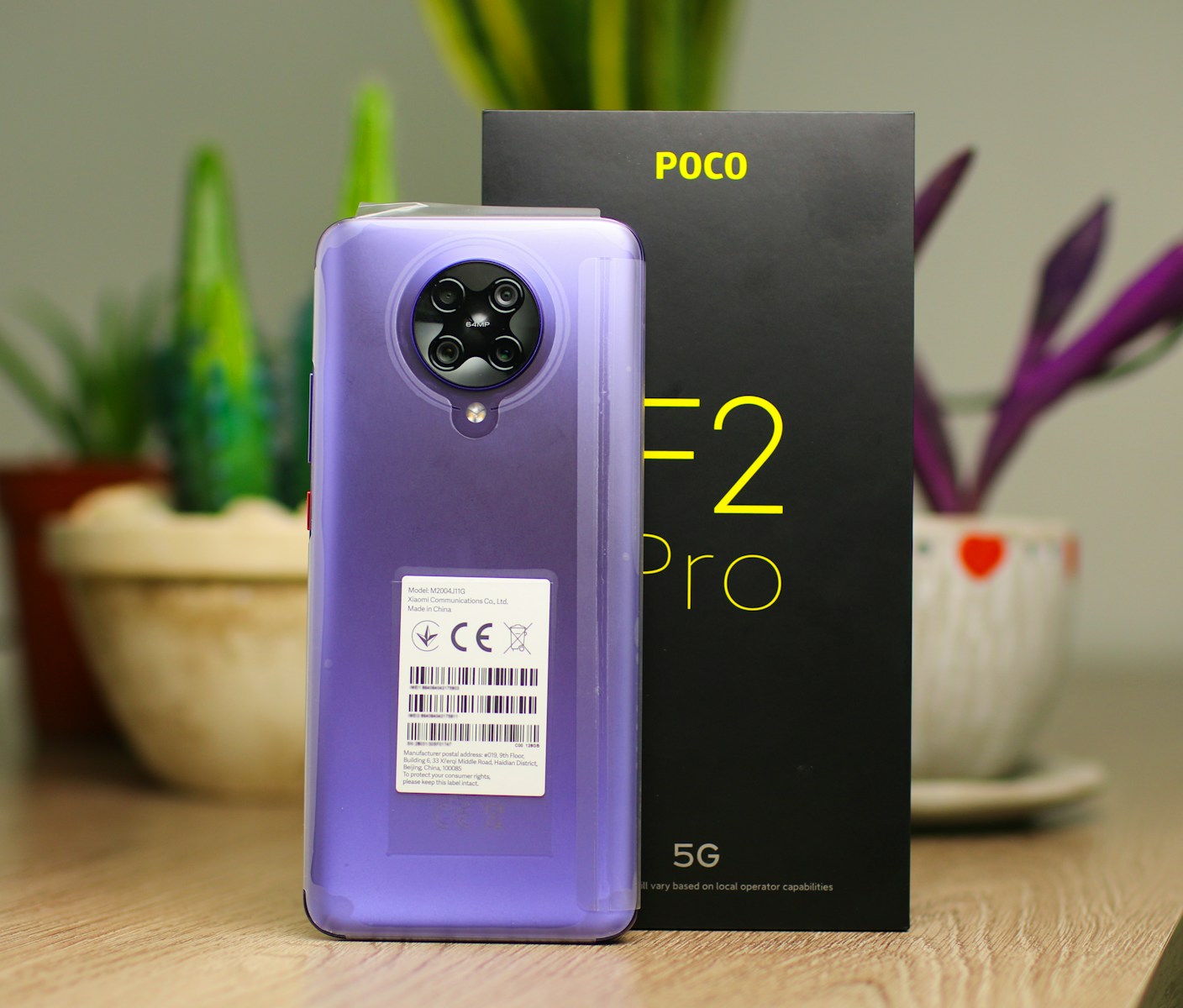
For the cleanest software experience: Motorola often provides a near-stock Android experience with minimal bloatware, focusing on a smooth and straightforward user interface. For ecosystem features and a great screen: Samsung’s Galaxy A-series often brings down features from its more expensive S-series phones, particularly their excellent AMOLED displays and software integration, to a more accessible price point. For the most hardware for your money: Brands like Xiaomi (and its sub-brands Poco or Redmi) or OnePlus (with its Nord series) typically focus on packing impressive specifications—like high refresh rate screens, large batteries, and fast charging—into a very competitive price bracket.