


I’m excited to explore oled displays and amoled technology. These technologies offer vibrant colors and high contrast ratios. They work because each pixel can be controlled individually.
Oled displays are getting more popular. Many devices now use them. Amoled technology is an upgrade, with better performance and efficiency. It has faster refresh rates and better viewing angles.
Knowing the difference between oled and amoled helps you choose the right device. You’ll consider energy efficiency, picture quality, and how long the display lasts. In this article, I’ll explain the main differences. This will help you pick the best option for you.
Understanding the Fundamentals of OLED and AMOLED Displays
Exploring displays, I find the benefits of amoled screens fascinating. These technologies have changed how we see visual content. One key feature is true blacks, leading to an infinite contrast ratio. This is very noticeable in dark places, making the viewing experience more immersive.
Amoled technology has improved a lot, becoming more energy-efficient. This makes it great for devices that run on batteries. It also offers faster refresh rates, which improve gaming and video watching. The organic compounds in oled displays allow for amazing color accuracy and contrast.
Amoled screens are known for vibrant colors and better contrast than lcds. Samsung’s Galaxy S series is a great example of this. They are also thinner, lighter, and more flexible, making them versatile for many uses. Understanding oled and amoled displays helps us see their value and benefits.
What Makes OLED Technology Unique
OLED technology uses organic compounds that light up with an electric current. This leads to better color accuracy and contrast. Its unique features have led to different display types, each with its own pros and cons.
The Evolution of AMOLED Technology
Amoled technology has seen big improvements in recent years. It now has better energy efficiency and faster refresh rates. This makes amoled displays a popular choice for many devices. As technology keeps advancing, we’ll see even more uses for amoled displays.
Basic Components and Working Principles
An oled display uses an organic compound that lights up with electricity. It also has a thin-film transistor to control the electricity. This combination creates vibrant colors and deep blacks, making it perfect for many uses. Knowing how oled and amoled displays work shows the complexity and innovation behind them.
Key Differences Between OLED vs AMOLED Displays
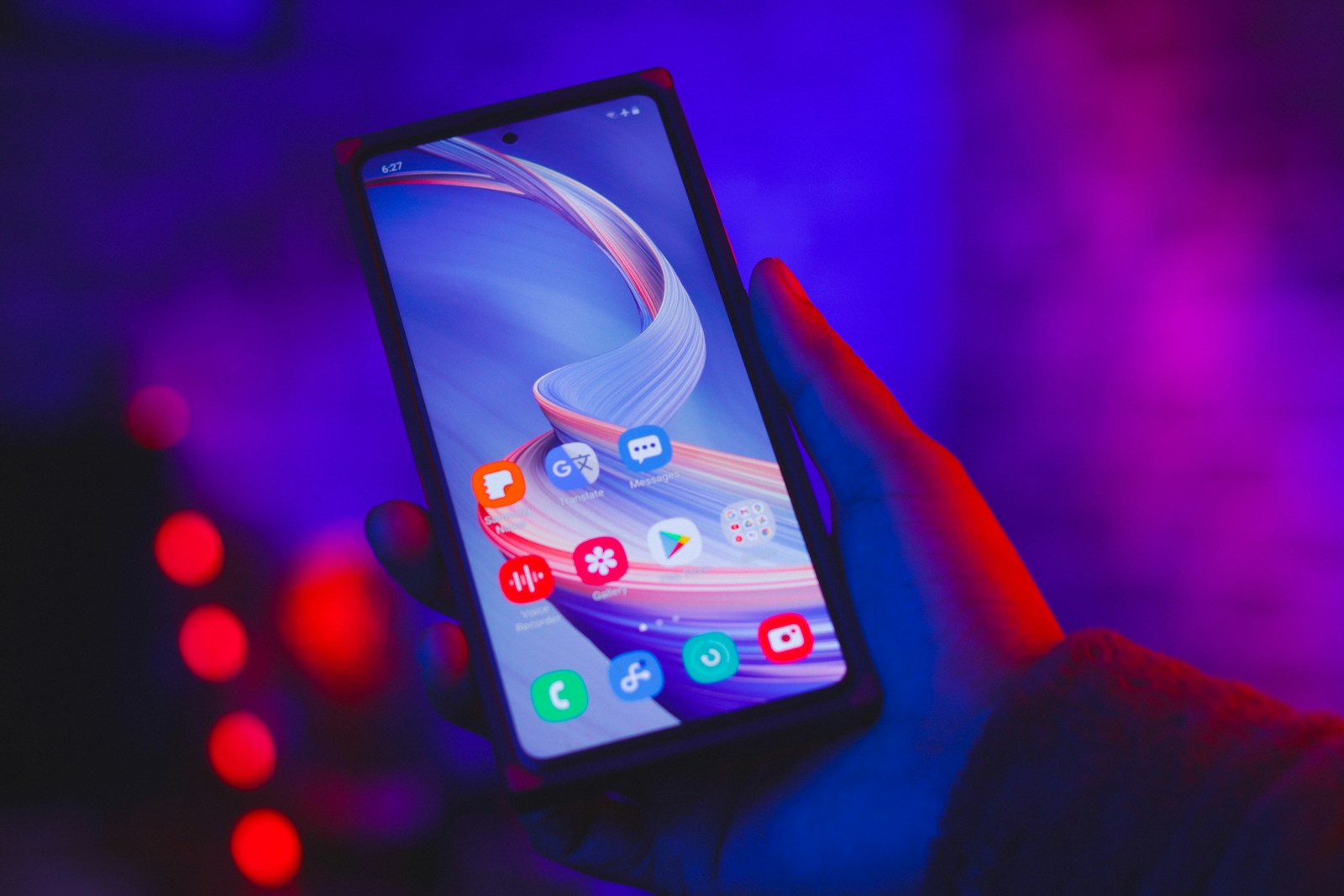
In an oled screen comparison, several factors are important. One big difference is power use. AMOLED screens use about 20-30% less power for dark images than OLED screens. This is because AMOLED can refresh up to 120Hz, making games and videos smoother.
When comparing amoled vs lcd display, AMOLED wins in many areas. They can get very bright, up to 1000-1200 nits, making them better in sunlight. Also, AMOLED uses about 15% less battery power than OLED, which is great for devices with lots of dark content. Plus, oled panel technology lets for bigger screens without losing quality or using more power.
Some key benefits of AMOLED displays include:
- Faster refresh rates
- Lower power consumption
- Higher peak brightness levels
- Improved contrast ratios
The choice between OLED and AMOLED depends on what you need. AMOLED has many benefits but costs more to make. As tech gets better, we’ll see more improvements in oled panel technology and amoled vs lcd display comparisons.
Conclusion: Making the Right Display Choice for Your Needs
Choosing between OLED and AMOLED displays depends on your needs and budget. Both have unique benefits. Knowing these differences helps you make a smart choice.
OLED displays are known for their deep blacks and vibrant colors. They’re great for high-end TVs and devices where image quality matters most. AMOLED technology, on the other hand, is more power-efficient, perfect for smartphones and wearables. It also supports higher refresh rates and brightness, making it ideal for gaming.
Deciding between OLED and AMOLED depends on your needs. If you want the best image quality, OLED is the way to go. But if you’re looking for power efficiency and fast performance, AMOLED is the better option. Knowing what each technology offers helps you choose the right display for your devices and enjoy a great viewing experience.
FAQ
What is the difference between OLED and AMOLED displays?
OLED and AMOLED are two display technologies. OLED uses organic compounds that light up with an electric current. AMOLED is a more advanced OLED with a thin-film transistor (TFT) backplane for each pixel.
What are the benefits of AMOLED technology over traditional OLED displays?
AMOLED has better power efficiency and contrast ratios than OLED. It also has faster response times and more accurate colors. Plus, AMOLED displays have a wider viewing angle and are more flexible and durable.
How do OLED and AMOLED displays work?
OLED displays use organic compounds that light up with an electric current. Each pixel is self-emissive, unlike LCDs that need a backlight. AMOLED adds a thin-film transistor (TFT) backplane for better control and performance.
What are the key differences between OLED and AMOLED displays?
OLED and AMOLED differ in display quality, power use, and manufacturing. AMOLED has higher contrast ratios and wider viewing angles. It also uses power more efficiently and can make more flexible displays.
Which display technology is better for my needs, OLED or AMOLED?
Choosing between OLED and AMOLED depends on your needs. AMOLED is better for mobile devices due to its superior performance and efficiency. But it might cost more. OLED is great for larger screens and can be more affordable. Think about display quality, power use, and budget to decide.